Beyond the coffee cup: how to stay awake without caffeine
Major Takeaways
- Caffeine doesn't create energy. It blocks adenosine, the molecule your brain uses to signal fatigue, so the "boost" is really just a temporarily silenced alarm, not new fuel.
- The most reliably effective caffeine-free alertness boosters are hydration, short movement breaks, bright light exposure, and a well-timed 15 to 30 minute nap.
- Newer research on caffeine-free compounds like L-theanine, ginseng, and paraxanthine is promising but still developing. None of them are drop-in replacements for good sleep and daily habits.
Verified by a US-based board-certified doctor. Originally Published June 2020 | Last Updated July 2026

Nearly everyone reaches for caffeine at some point in the day. Roughly 80 to 90% of adults worldwide consume it regularly. But feeling "less tired" after a cup of coffee isn't the same thing as having more energy. Caffeine works by blocking adenosine receptors in your brain, the receptors responsible for telling you that you're fatigued. It doesn't resolve the underlying fatigue; it just mutes the signal for a while, and that signal comes back once the caffeine wears off, sometimes with a vengeance.
That doesn't mean caffeine is the enemy. Newer cardiovascular research suggests a J-shaped relationship between habitual caffeine intake and heart health: moderate intake appears neutral to mildly protective for most people, while very high intake or high individual sensitivity is where the risks (elevated heart rate, blood pressure spikes, disrupted sleep) start to show up. The goal isn't necessarily to eliminate caffeine entirely, but to build a toolkit that doesn't depend on it, especially for the afternoons when you're tempted to reach for a second or third cup.
Here's what actually works, according to the research.
Why Caffeine Alone Isn't the Answer
A little caffeine can sharpen focus temporarily, but leaning on it too heavily comes with trade-offs worth knowing about:
-
Sleep disruption: Caffeine has a half-life of roughly 5 to 6 hours, meaning a mid-afternoon coffee can still be partially active in your system at bedtime, delaying sleep onset and reducing sleep quality.
- Tolerance and dependency: Regular use leads to tolerance, requiring more caffeine for the same effect, and abrupt reductions can cause withdrawal headaches and fatigue.
- The crash cycle: Because caffeine masks fatigue rather than resolving it, many people end up caught in a cycle of needing more caffeine to counteract the tiredness caused by caffeine-disrupted sleep the night before.
Related: Beyond Coffee: A Sustainable Guide to Nootropics, Adaptogens, and Mushrooms

13 Ways to Feel Awake and Alert Without Caffeine
Rehydrate First
Before reaching for a stimulant, reach for water. A well-cited clinical trial found that even mild dehydration measurably impaired cognitive performance and mood in healthy young men, producing fatigue-like symptoms that mimicked what people usually blame on "low energy" (Ganio et al., 2011, British Journal of Nutrition). Dehydration is one of the most common and most fixable causes of daytime sluggishness.
Get Outside, or at Least Get Bright Light
Light exposure is one of the strongest signals your circadian system uses to regulate alertness. Morning and midday sunlight helps suppress melatonin (your sleep hormone) and reinforces a healthy wake-sleep rhythm. If you can't get outside, sitting near a bright window or using brighter indoor lighting can still help; even short daylight exposure supports mood and cognitive performance.
Move Your Body for 5 to 10 Minutes
You don't need a full workout. Research consistently shows that regular movement, including low-intensity activity like walking, reduces feelings of fatigue and improves alertness and cognitive performance more effectively than staying sedentary. If you're desk-bound, a short walk or a few minutes of stretching every couple of hours can meaningfully shift how alert you feel.
Eat for Steady Energy, Not a Sugar Spike
Swap sugary snacks for combinations of protein, fiber, and healthy fat, think nuts, eggs, or fruit with nut butter. These digest more slowly and help avoid the blood sugar crash that follows a sugar-heavy snack, which often masquerades as an "afternoon slump."
Take a Strategic Power Nap
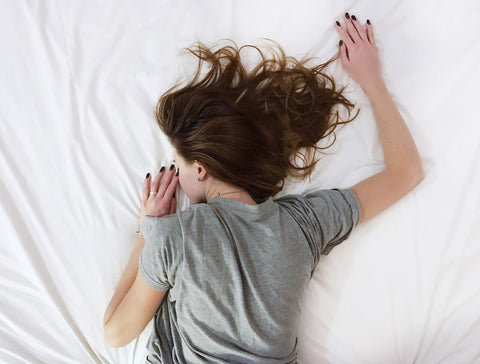
A short nap can outperform a cup of coffee for restoring alertness, but timing and length matter. A 2023 study in Chronobiological International found that a well-timed nap improved next-day performance measures after partial sleep restriction, while naps that run too long risk sleep inertia, that heavy, groggy feeling on waking. Aim for 15 to 30 minutes, ideally in the early-to-mid afternoon, and set an alarm so you don't drift into a deeper sleep cycle.
Try Cold Exposure
A cold shower, a splash of cold water on your face, or even holding a cold cloth to the back of your neck triggers a brief sympathetic nervous system response, your body's "alert" mode, which can produce a fast, if short-lived, jolt of wakefulness. Some people use a contrast approach (30 seconds cold, 30 seconds hot, repeated), though the core alertness effect comes mainly from the cold exposure itself.
Practice a Stimulating Breathing Technique
Slow, calming breathwork is great for stress, but if your goal is alertness, faster techniques like bhastrika pranayama (bellows breath) have been shown to improve reaction time and activate the brain more than passive breathing. Even a minute or two of brisk, controlled breathing can shift your state noticeably.
Use Aromatherapy Strategically
Peppermint, citrus, and eucalyptus scents are commonly used for their alerting effect, likely through stimulation of the brain's olfactory and scent-processing centers. The evidence base here is still developing compared to hydration or napping, but it's a low-risk tool worth having on hand. A rollerball or diffuser at your desk is an easy way to test it for yourself.

Put on Upbeat Music
Research on repetitive or monotonous tasks has found that music, particularly music you find energizing, can reduce both mental and physical fatigue. If you're in a shared workspace, headphones let you get the benefit without disrupting anyone else.
Take Real Breaks From Screens
Screen fatigue often gets mislabeled as tiredness. Stepping away from a screen every hour or so, even briefly, reduces eye strain and mental fatigue and can noticeably restore your sense of alertness.
Manage Stress in the Moment
Chronic stress is closely tied to fatigue. Brief resets, like a two-minute breathing exercise, a short walk, or jotting down a quick to-do list to externalize what's on your mind, can lower that background hum of stress that quietly drains energy throughout the day.
Fix the Root Cause: Sleep Debt
No caffeine-free trick fully compensates for chronic sleep deprivation. Most adults need 7 to 9 hours of sleep per night; consistently getting less builds a "sleep debt" that daytime hacks can only patch over temporarily. A consistent wake time, a wind-down routine, and a cool, dark bedroom are the foundation everything else in this list works better on top of.
Consider Emerging Caffeine-Free Compounds (With Realistic Expectations)
A few natural compounds are getting more research attention as caffeine alternatives or complements:
-
L-theanine: Found naturally in tea, L-theanine promotes calm, alert brain activity, but a 2025 systematic review found its cognitive benefits are most consistent when paired with caffeine, not as a standalone substitute for it.
-
Ginseng and maca: Both have some research support for reducing fatigue, though the evidence is described by reviewers as promising but not yet conclusive.
-
Paraxanthine and Alpinia galanga extract (EnXtra): Newer areas of research. Paraxanthine is a caffeine metabolite being studied for alertness effects with potentially fewer side effects, and a clinical trial on Alpinia galanga extract found it improved mental alertness and reduced fatigue. Both are worth watching, but the research is still early relative to decades of data on sleep, hydration, and exercise.
Frequently Asked Questions
How can I stay awake without caffeine at night?
Prioritize bright light exposure, brief movement breaks every hour, and cold water on your face or wrists. Avoid heavy meals, which can increase drowsiness, and save any nap for earlier in the day so it doesn't interfere with nighttime sleep.
What's the fastest way to feel more alert without coffee?
A splash of cold water, a brisk two-minute walk, or a few rounds of stimulating breathwork (like bellows breath) tend to produce the quickest noticeable shift, though the effect is short-lived compared to fixing hydration or sleep debt.
How long should a power nap be to avoid feeling groggy?
Keep it to 15 to 30 minutes. Longer naps increase the likelihood of waking up during a deeper sleep stage, which causes sleep inertia, that foggy, groggy feeling that can leave you feeling worse than before you napped.
Do caffeine alternatives like L-theanine actually replace caffeine?
Not exactly. L-theanine's best-documented benefit shows up when it's combined with caffeine rather than used alone, so it's better understood as a way to smooth out caffeine's rough edges than as a standalone substitute.
Is it unhealthy to rely on caffeine every day?
Moderate daily intake (roughly up to 400 mg, about four cups of coffee) is considered safe for most healthy adults, but consistently high intake or use to compensate for poor sleep can contribute to a cycle of tolerance, disrupted sleep, and rebound fatigue.
The Bottom Line
Caffeine isn't inherently bad, but it's also not a substitute for the things your body actually needs to generate real energy: enough sleep, enough water, regular movement, and light exposure. The natural methods above won't just help you get through an afternoon slump. They build a more sustainable foundation for energy that doesn't depend on your next cup of coffee.
Sources
- Ganio MS, et al. "Mild dehydration impairs cognitive performance and mood of men." British Journal of Nutrition, 2011. PMID: 21736786
- Gallagher C, et al. "Is implementing a post-lunch nap beneficial on evening performance, following two nights partial sleep restriction?" Chronobiology International, 2023. PMID: 37722387
- Payne ER, et al. "Effects of Tea or its Bioactive Compounds L-Theanine or L-Theanine plus Caffeine on Cognition, Sleep, and Mood in Healthy Participants: A Systematic Review and Meta-Analysis." Nutrition Reviews, 2025. PMID: 40314930
- GoodRx Health. "12 Natural Ways to Stay Awake and Alert Without Caffeine." Reviewed 2026.
- Sleep Foundation. "Mastering Sleep Hygiene: Your Path to Quality Sleep." Updated 2025.
- American Heart Association Journals. "Caffeine and Cardiovascular Disease: A Scientific Statement." Circulation, 2026.
- Pandit KD, et al. "Effects of EnXtra (Alpinia galanga Extract) and Caffeine on Mental Alertness." Dovepress, 2026.
Daily habit. Lifelong benefits.